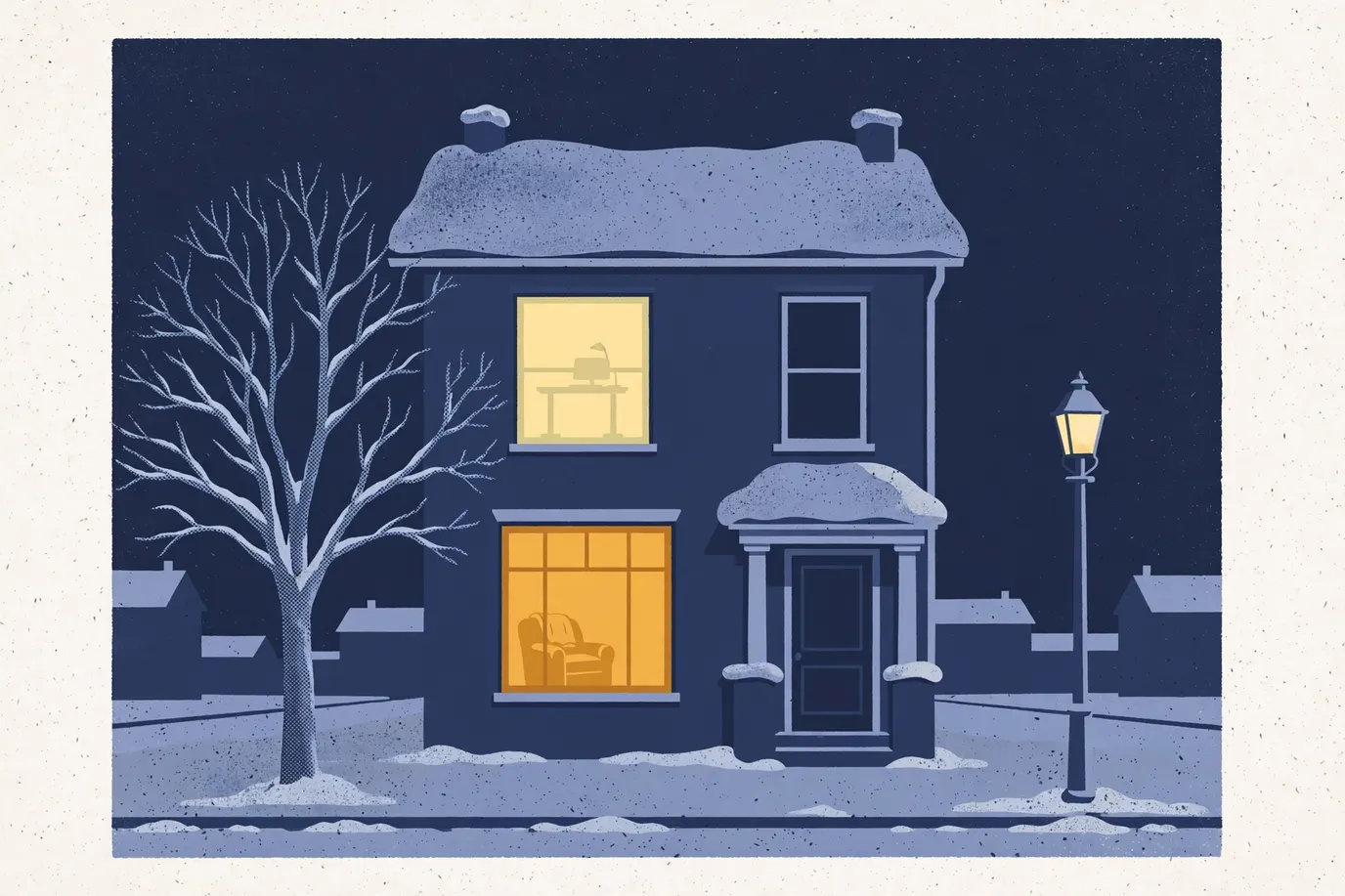
The duplex on Hague Avenue
Wellness at Home: Sleep, Warmth and Moving More
Wellness at home comes down to three things you can actually change: how you sleep, how warm you stay and how much you move between the couch and the desk. Rest Well Routine is the notes from one St. Paul duplex on those three things, plus free calculators for bedtimes, steps and bedding sizes. I'm Rosa. My alarm goes off at 4:10, so I've thought about bedtime more than most.
— Margo, Rosa & Dev
Sleep, warmth and moving more at home
The duplex on Hague Avenue
- Margo BellHousekeeping rules — pillows, bedding and throwsWrites: Pillows, Bedding & Throws
- Rosa DelgadoNight-shift notes — sleep accessories and sleep toolsWrites: Sleep Accessories
- Dev RamanStep count — home fitness and walking toolsWrites: Home Fitness, Sleep & Walking Tools
Margo, Rosa and Dev are the site’s recurring characters. Picks come from makers’ specs, Amazon listings and what buyers often mention, not from hands-on tests. Nothing here is medical advice. How we pick
Wellness at home starts with three habits
Wellness is a big word. On a winter night in Minnesota it gets small fast. Did you sleep? Were you warm? Did you get up and move, or did the couch win again? Those three questions are the whole site.
Here's how the sections split it up:
- Sleep. Pillows, sleep masks, ear plugs, white noise machines and sunrise alarm clocks, plus a sleep calculator for bedtimes and naps.
- Warmth. Throw blankets, comforters, sheets, weighted blankets and heated blankets, plus a size guide so the comforter actually covers the bed.
- Moving more. Walking pads, under-desk ellipticals and steppers for people who work at home, plus a steps-to-miles calculator.
Every product list on the site is built by a written rule from what makers and Amazon listings state, and the rule is printed with the list. Nobody here claims to have slept on, walked on or washed any of it. We read the specs, the care tags and the labels, and we tell you which numbers matter.
The calculators come first because they don't need anything from a store. You can use them tonight.
Who writes this: the duplex on Hague Avenue
The site is written as the notes of three neighbors in a 1924 stucco duplex in St. Paul, two blocks from Summit Avenue. We're the site's recurring characters, not real people, and the about page says so plainly. We have jobs, opinions and one thermostat between two floors. We don't have credentials, and we don't pretend to.
Margo Bell owns the duplex and lives downstairs. She ran housekeeping at a downtown Minneapolis hotel for 22 years, and she reads the care tag before the price tag. Margo writes the pillows and bedding pages and the bedding size guide. She calls her linen closet "the archive". It is labeled.
Dev Raman rents the upstairs unit and has worked from home since 2020, leading a customer-support team. He takes calls standing up, keeps spreadsheets for things that don't need spreadsheets and writes the home fitness pages and the walking tools. Margo can tell when his meetings run long by the floorboards.
Me, Rosa Delgado. I live in the yellow house across the alley and come over for Thursday soup. I hosted an overnight radio show from 2009 to 2016 and now produce a weekday morning show, which is why my alarm goes off at 4:10 a.m. I write the sleep accessories pages, the sleep guides and the sleep calculator. My beagle, Biscuit, gets up at 4:30. One of us has figured out boundaries.
Sleep: the part of the routine you can plan
You can't order yourself to fall asleep. You can plan when you go to bed and what the room is like when you get there.
The CDC's list of healthy sleep habits is short and very ordinary, which is the point:
- the same bedtime and wake-up time every day
- a bedroom that's dark, quiet, calm and cool
- screens put away at least 30 minutes before bed
- no heavy meals or alcohol close to bedtime
- no caffeine in the afternoon and evening
- moving during the day
None of those need a purchase. Some of the products on this site make one of them easier: a contoured sleep mask for a room you can't make dark, ear plugs or a white noise machine for a room you can't make quiet, a sunrise alarm clock for a gentler start. They're tools for a habit, not a fix for a problem. If a product page ever sounds like it's promising you'll sleep, that's the maker's wording in quotes, and we'll say so.
Night-shift note: for seven years I slept from about 9 a.m. to 4 p.m. with aluminum foil on my bedroom windows. The foil got more compliments than my show. The lesson stuck. Darkness is the cheapest thing in a bedroom, and it's worth getting right before you buy anything else.
How much sleep you need depends on your age. The CDC's table says adults 18 to 60 need 7 or more hours, adults 61 to 64 need 7 to 9, and adults 65 and older need 7 to 8. Teens 13 to 17 need 8 to 10 hours, and kids 6 to 12 need 9 to 12. The sleep calculator uses that table to mark which bedtimes fit your age.
Sleep comes in cycles. According to the NHLBI, part of the NIH, a sleep cycle starts over every 80 to 100 minutes, and most nights have four to six of them. The calculator counts in 90-minute cycles, the middle of that range, so you can see the bedtimes that line up with a whole number of cycles before your alarm. It's a planning tool. It can tell you when to set an alarm. It can't tell you why you're tired, and if that question keeps coming up, it's one for your doctor.
Warmth: bedding that fits the bed and the house
The duplex has one thermostat for two floors, which is the main source of family politics. Margo likes it cool. Dev does not. Neither of them has asked the radiator.
Warm bedding is mostly about fit and care, not about softness words:
- Size. A comforter that doesn't reach the sides of the mattress isn't doing its job. Bedding labels in the US state the finished size, and sheets state the mattress size they're made for, so you can check the numbers before you buy. The bedding size guide does the arithmetic for your mattress.
- Pocket depth. A fitted sheet needs a pocket at least as deep as your mattress, topper included. Margo's rule: measure the mattress before you shop for sheets.
- Care. If a comforter or weighted blanket can't go in a home washer, that's a cost you pay every season. The care tag says so up front.
- Heated blankets. Auto shut-off and a stated safety listing (ETL or UL) come first. Heated bedding pages always carry the maker's-instructions line, and we don't joke about it.
- Weighted blankets. The weight follows the maker's guidance for the sleeper. If the maker gives none, the lighter option is the safer choice, and no weighted blanket belongs on a baby or a young child unless the maker states it's made for that age and weight.
Moving more: walking at home without a gym
Dev takes his calls standing up. His manager thinks he's motivated. He says he's avoiding the chair with the squeak. Either way, it counts.
The CDC's activity guidelines for adults are 150 minutes of moderate-intensity activity a week, such as brisk walking, plus muscle-strengthening activity on at least 2 days. That can be 30 minutes a day, 5 days a week, and it doesn't have to happen in one go.
The home fitness pages cover walking pads, under-desk treadmills and ellipticals, and steppers. Two numbers decide most of those choices: the maker's max user weight and the top speed. A walking pad under a desk is for walking, not running. If the listing doesn't state a safety key or auto-stop, our table says so. And before starting a new exercise routine, check with your doctor.
The steps-to-miles calculator turns a step count into miles or kilometers using steps-per-minute data measured at real walking speeds, or your own measured step. It's an estimate. Your phone, your watch and our calculator will all disagree a little, and that's normal.
How we pick products, in one paragraph
Makers' specs first, Amazon listings second, and nothing invented in between. Safety fields are always shown, and when the maker doesn't state one, the table says "Not stated by the maker" instead of leaving a blank. Claims like "cooling", "mulberry silk" or "OEKO-TEX" appear only when the maker or listing states them for that exact model. Prices never appear, because they change too often to print; the Check price button opens the current Amazon page. Availability is checked every week. The site earns a commission from Amazon on qualifying purchases, which the disclosure page explains, and that never decides what goes on a list.
Free sleep and walking calculators
All three calculators run in your browser. They don't store anything, they don't ask for an email address, and the only numbers they need are the ones you type in.
- Sleep calculator — bedtimes from a wake-up time, wake-up times from a bedtime, and nap alarms.
- Steps to miles — how many steps in a mile at your pace, steps to miles and kilometers, and back.
- Bedding size guide — standard mattress sizes, the fitted-sheet pocket depth you need and the smallest comforter or throw that covers your bed.
Each calculator lists every default it uses, with the public source it came from, right under the result. If a source updates a number, we update the calculator and the date.
Small change, big quiet. Sleep well.
Related
Questions people ask
How can I sleep better at night?
Start with the habits the CDC lists: go to bed and get up at the same times every day, keep the bedroom dark, quiet, calm and cool, put screens away at least 30 minutes before bed, skip heavy meals and alcohol close to bedtime, cut caffeine in the afternoon and evening, and stay active during the day. Pick one, keep it for two weeks, then add the next. If you regularly can't fall asleep or stay asleep, talk to your doctor.
What is sleep hygiene?
Sleep hygiene is the name for everyday habits around sleep: a steady schedule, a dark and quiet bedroom, no screens right before bed, and timing caffeine, alcohol and big meals so they're done well before bedtime. It's housekeeping for your nights. It isn't a treatment, and it doesn't replace a doctor's visit when sleep problems keep up.
Why can't I sleep?
There are a lot of possible reasons, from a late coffee or a noisy room to stress, pain or a sleep disorder, and a website can't tell you which one is yours. The CDC suggests keeping a sleep diary — bedtime, wake-ups, wake time, naps, exercise, caffeine and alcohol — and taking it to your healthcare provider if trouble sleeping is regular. A few weeks of notes make that conversation much easier.
How do I build a morning routine and wake up earlier?
Move your wake-up time first and let bedtime follow it. Pick the time you need to be up, keep it every day including weekends, and use the sleep calculator to count back to a bedtime. Shift by small steps, like 15 minutes every few days, rather than an hour at once. Light in the morning and a dark room at night help the schedule stick.
What are some simple self-care ideas for winter evenings?
Keep them small and repeatable: a throw on the chair you actually sit in, a walk around the block before dark, screens off a half hour before bed, the same bedtime most nights. Self-care doesn't need a shopping list. It needs a routine you'll still keep in February.
Is this site medical advice?
No. Rest Well Routine is general information about sleep habits, bedding and home walking gear. Figures on sleep come from public sources we name, like the CDC and the NIH. If pain, snoring or trouble sleeping keeps up, talk to your doctor.
Sources
- About Sleep — Centers for Disease Control and Prevention — accessed 2026-10-27
- Sleep Phases and Stages — National Heart, Lung, and Blood Institute (NIH) — accessed 2026-10-27
- Adult Activity: An Overview — Centers for Disease Control and Prevention — accessed 2026-10-27